Shankuang Workshop: Ceramic Pulleys Manufactured Orderly
2026/02/10 15:31
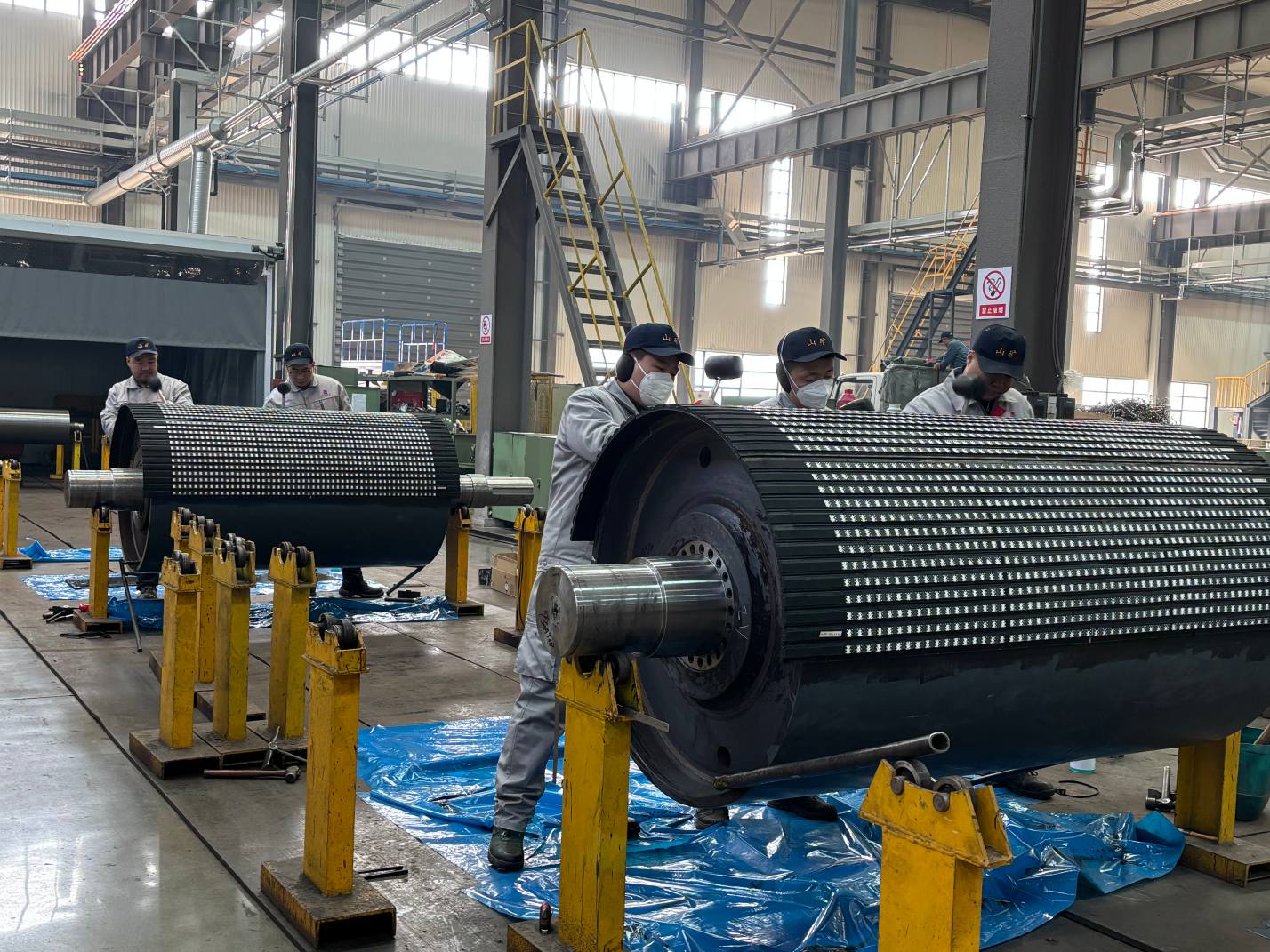
Today, the production workshop of Shandong ShanKuang Machinery Co., Ltd. runs in good order, and the manufacturing of ceramic pulleys is proceeding step by step. As core conveying components suitable for harsh working conditions, ceramic pulleys are widely used in material handling in mining, ports, building materials and other industries due to their excellent wear resistance and corrosion resistance. The rigor of their production process directly determines performance and service life, and every procedure in the workshop is carried out steadily under careful control.
Production starts with the selection and pre-treatment of raw materials. Staff conduct strict inspections on the pulley base materials, choosing high-quality steel with both strength and toughness to ensure it can withstand long-term heavy-duty operation. After preliminary processing, the steel is polished by professional machinery to remove surface oxides, impurities and burrs, followed by precision turning to calibrate dimensions and shape, leaving a smooth base surface to lay a solid foundation for subsequent ceramic layer bonding. Meanwhile, ceramic materials for the surface also go through multiple rounds of screening, with dense-structured, high-wear-resistance grades selected to guarantee durability from the source and adapt to dusty and high-wear operating environments.
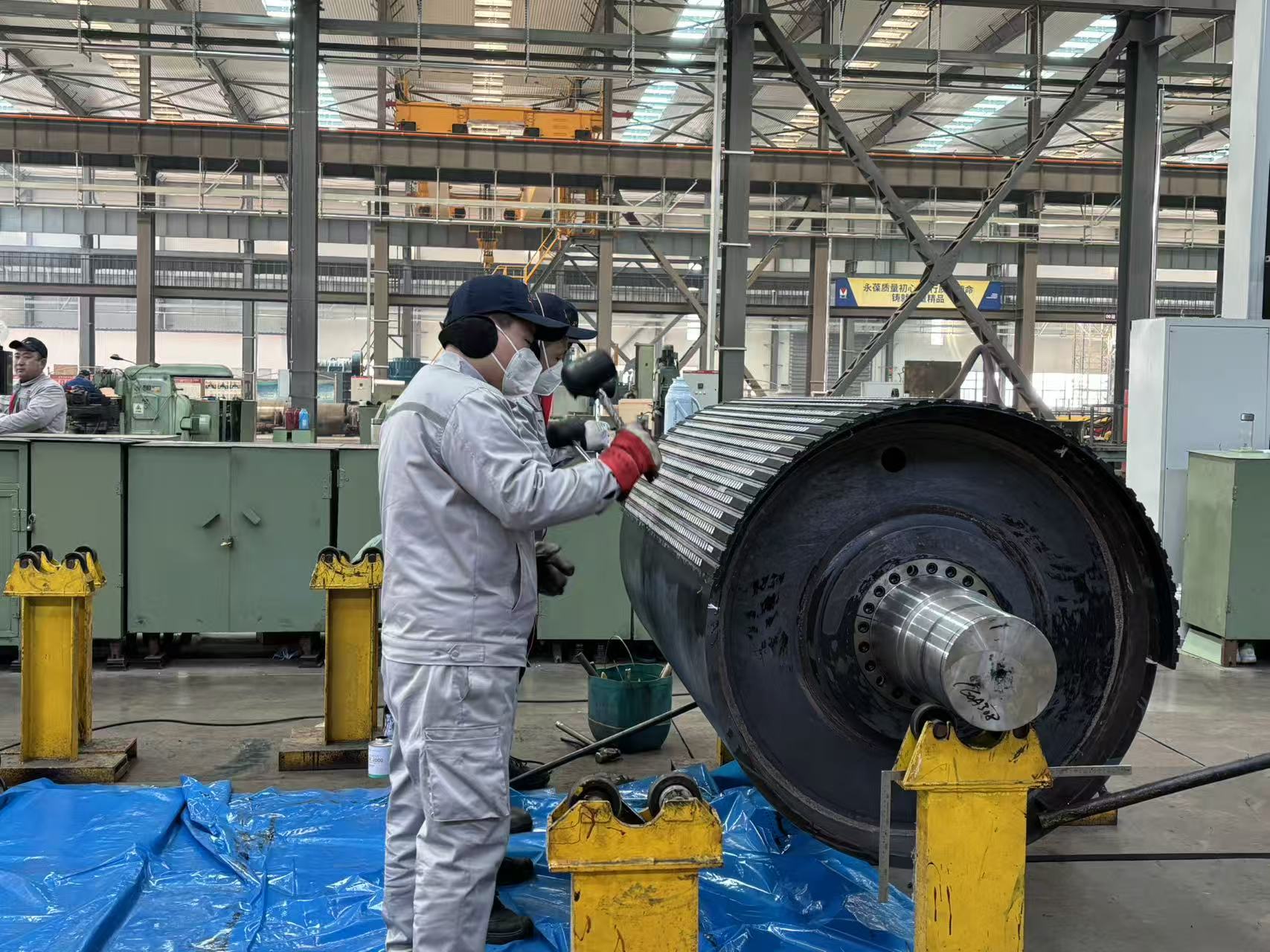
Once the base treatment is completed, the process moves to ceramic tile preparation and bonding. Technicians fully mix ceramic materials with special binding agents, compress them into tiles via molds, and sinter at high temperatures to enhance hardness and structural stability. Before bonding, staff clean the base surface again and apply high-performance adhesive evenly. This adhesive features strong bonding strength, aging resistance and corrosion resistance, ensuring firm adhesion between ceramic tiles and the base. Workers then use special fixtures to accurately align and press each ceramic tile into place, avoiding hollow gaps and misalignment to achieve full coverage of the pulley working surface.
After tile application, the pulleys enter the curing stage. Special curing equipment provides a stable and controllable environment for the adhesive to fully react and solidify, strengthening bonding strength. During curing, technicians conduct regular inspections and adjust equipment parameters promptly to ensure ideal curing results. Once curing is finished, workers clean excess adhesive from the surface and smooth burrs on tile edges, resulting in a sleek pulley surface that ensures good contact with conveyor belts and reduces friction loss.
The final finished-product inspection is equally stringent. Inspectors first conduct a full visual check to confirm no damage, detachment or obvious defects on ceramic tiles. They then test operational stability using professional equipment and monitor for abnormal vibration during rotation. Bonding strength is also sampled and verified under simulated working conditions. Only products fully compliant with industry standards and enterprise specifications are approved, ready for warehousing or complete machine assembly.
Throughout production, staff strictly follow operating procedures, with the technical team on-site to support and resolve detailed issues in a timely manner. Upholding a pragmatic philosophy, Shandong ShanKuang uses standardized processes and strict quality control to ensure reliable performance of every ceramic pulley. In the future, these products will provide stable support for various heavy-duty conveying scenarios, helping customers improve operational efficiency and reduce maintenance costs.